

Setting Up Your Annual Budget Review Framework
Learn the step-by-step process for organizing your finances before the audit season arrives.

Skip the endless spreadsheet hunting. We've found the shortcuts that actually work for Winnipeg budget planners.
Most people spend half their audit time just finding the right numbers. You'll dig through old emails, hunt for receipts, and piece together scattered transactions from three different accounts. It's tedious, it's error-prone, and it's why many Winnipeg households skip the annual review altogether.
But it doesn't have to be this way. We've worked with dozens of planners who've figured out smart shortcuts — not cheats, but genuinely clever approaches that cut audit time in half without sacrificing accuracy. Here's what actually works.
Most people open their budget spreadsheet and manually enter last month's expenses. That's where time gets wasted. Instead, export your transaction history directly from your bank's website — nearly every bank lets you download a CSV file covering the entire year. Takes 90 seconds. Drop it into a spreadsheet and you've got every transaction from January to December automatically sorted.
You'll spot patterns immediately. That subscription you forgot about? It's right there showing up every month. The quarterly insurance payment? Shows up four times. Once the data's imported, categorizing becomes fast — you're not typing from memory, you're just confirming what's already there.
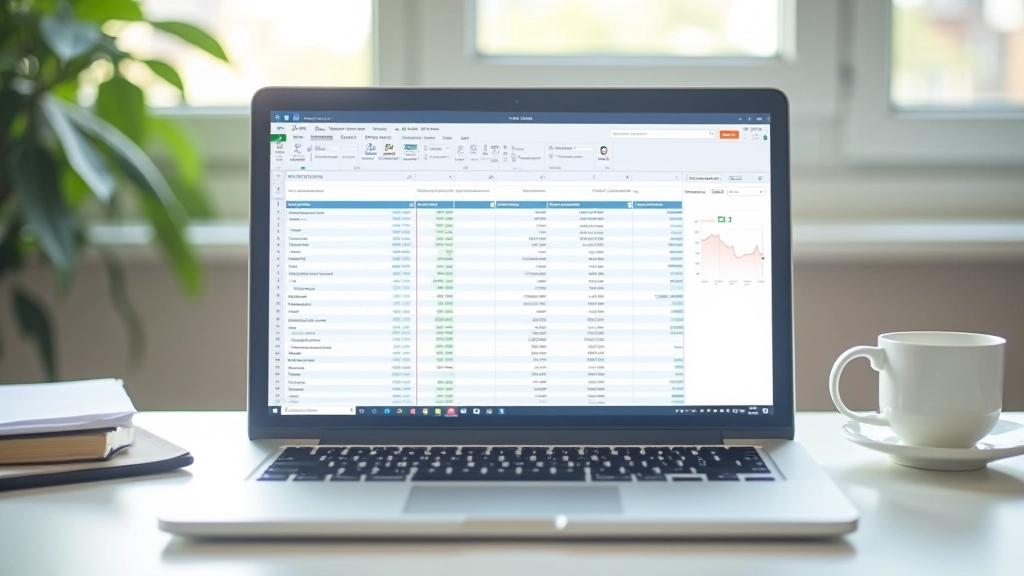
Categorizing expenses is where audits really drag. You've got groceries mixed with gas, dining out blended with coffee runs. Instead of agonizing over each transaction, use three simple piles: certain, uncertain, and investigate-later.
Certain expenses are obvious — rent, mortgage, utilities. These get sorted first and they're done. Uncertain transactions might be either groceries or household supplies, or they might be a partial category split. Set those aside. Investigate-later are the weird ones: that $47 charge you don't recognize, or a subscription you're not sure about.
Work through the certain pile first. You'll get momentum and a quick win. Then tackle uncertain with fresh eyes. The investigate-later pile often resolves itself once you've seen the other categories — you realize it was part of something else. This order matters. Starting with the hardest questions exhausts you before you even begin.
Don't start from scratch each year. After your first audit, save the spreadsheet structure you created. Same categories, same layout, same formulas for totals. Next year, you'll just paste your new transactions into the same template and the math recalculates automatically.
We've seen Winnipeg planners cut their second-year audit time by 40% just by reusing a template. You're not reinventing the wheel — you're using a proven system that worked. Add notes to your template about categories that confused you last time. ("That gas station charge includes snacks, so split 60/40 with groceries.") Next year, you'll remember instantly.

Here's the real time-saver: don't wait until year-end to catch mistakes. Spend 15 minutes every three months matching your spreadsheet totals to your actual bank statements. You'll spot discrepancies while they're fresh — not eight months later when you've forgotten the details.
This means your year-end audit becomes verification, not investigation. You've already caught and corrected the odd transactions. The major categories are locked in. When December comes around, you're not troubleshooting the whole year — you're confirming what you've been tracking all along. Most people who do quarterly checks report their annual audit takes about two hours. Those who skip it? Six to eight hours of detective work.

Throughout the year, you'll encounter charges that don't fit neatly. That $23 Amazon purchase that could be household supplies or tech. The restaurant bill that included takeout for someone else. Rather than deciding on the spot and potentially miscategorizing, jot it down on a quick list.
When audit time comes, you've got a pre-built list of items to investigate — not scattered across months of transactions. You'll spend maybe 30 minutes resolving your entire weird-transactions list instead of hours hunting for edge cases. Plus, you'll start seeing patterns. If the same type of transaction keeps confusing you, maybe you need a sub-category for it next year.
These techniques don't make audits fun. But they do make them manageable. You're not cutting corners on accuracy — you're just eliminating the parts that waste time without adding value. Export instead of typing. Sort by certainty instead of guessing categories. Reuse what worked. Check quarterly instead of annually. Keep notes instead of hoping you'll remember.
Most Winnipeg households we've worked with cut their audit time by about half using these methods. Some cut it even more. The real benefit isn't just the saved hours — it's that you're actually willing to do the audit because it's not dreading a full weekend of spreadsheet work.
Learn the step-by-step process for organizing your finances before the audit season arrives.

Three categories where most Winnipeg planners find unexpected expenses during their review.

How to implement budget changes that actually last beyond the first month of the new year.